

So I wake in the morning and I step outside
And I take a big breath and I get real high
And I scream at the top of my lungs
What’s going on?
- What’s Up, Four Non Blondes
Ryan George, the man with two first names, made this point all too clearly: product names - and increasingly, product vendor names - are highly dubious these days.

If you haven’t seen his sketch comedy bit, well, you’re in for a treat. Check it out. It’s entirely too on the nose.
But it does beg a rather obvious question - why are all so very many products on Amazon available from Waysus vendors? For instance, two minutes of extremely casual searching for things like portable power banks and chargers, backpacks and lights … gave me the following.
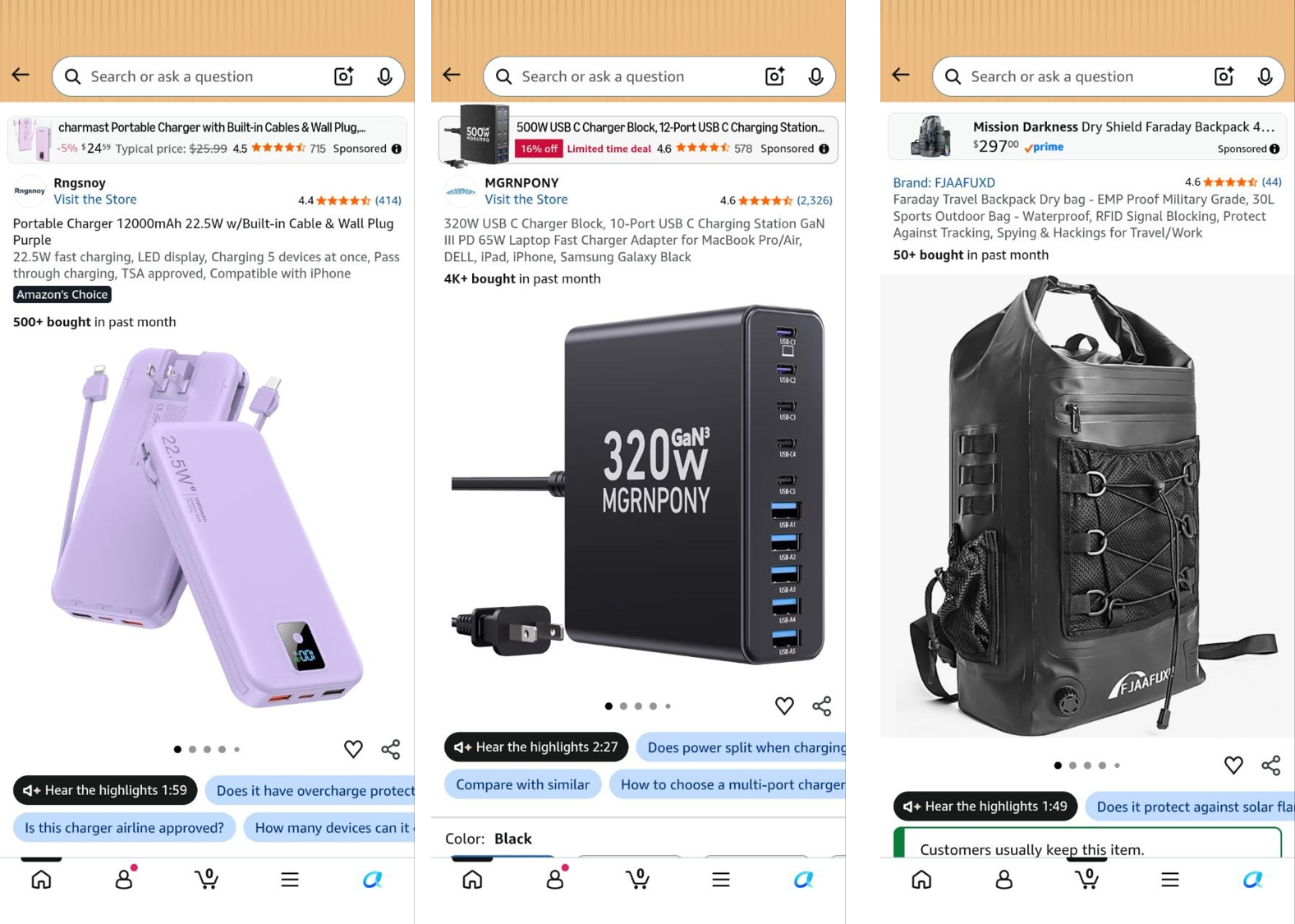
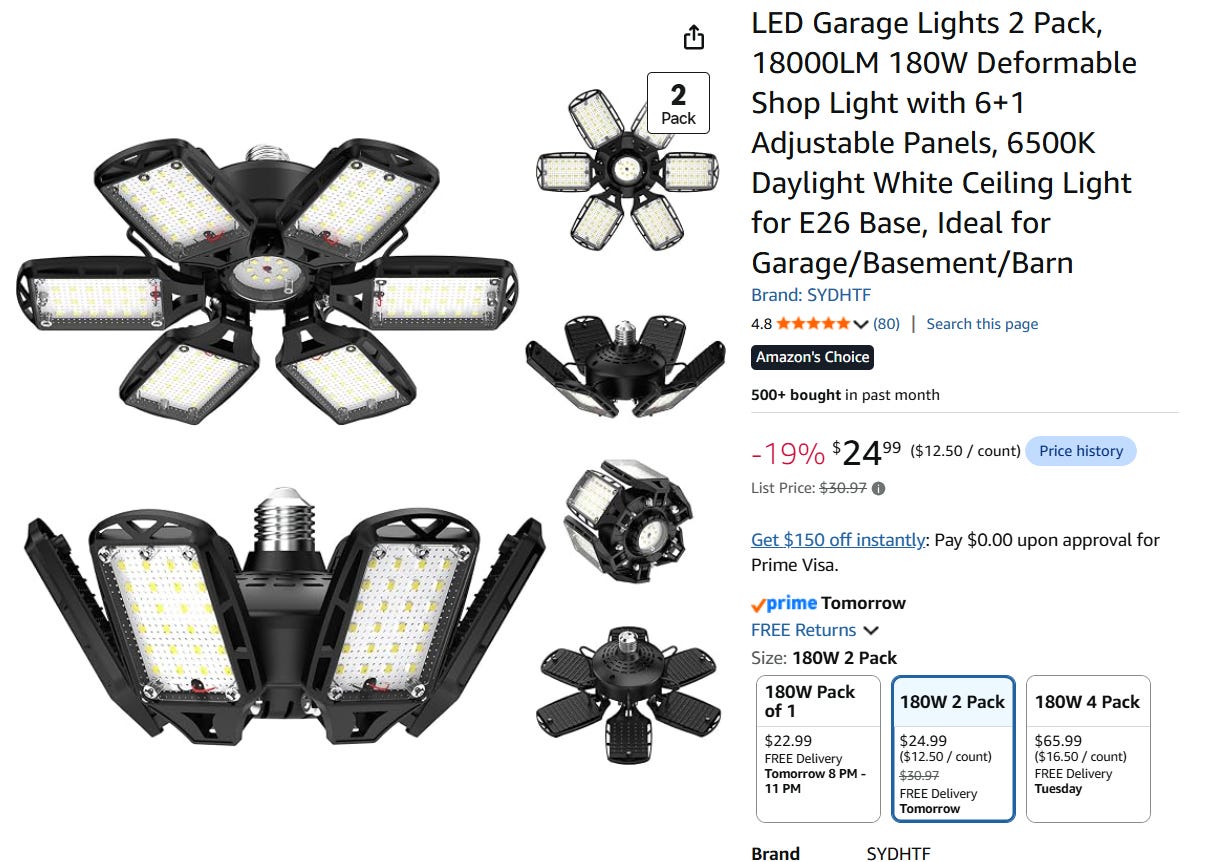
The RNGSNOY power pack. Hmm. The MGRNPONY USB charger. Let’s not forget the FJAAFUXD backpack. And SYDHTF lights - wasn’t he the bassist for the Sex Pistols?
Are these “real” companies? Are they “real” brands? Or is it “just made up”… well…
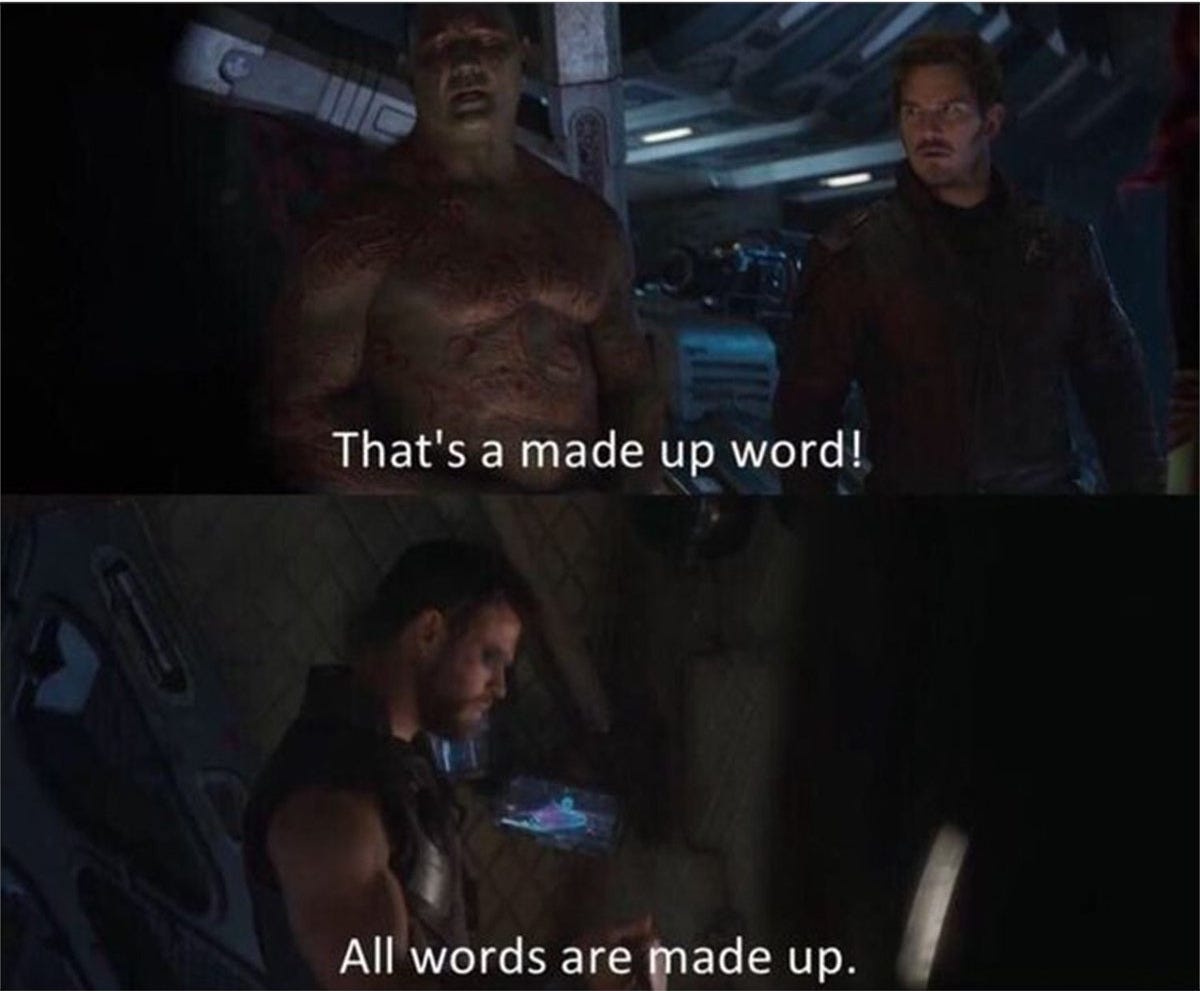
The very quick answer: It’s a hack. Not in the sense of cracking into a computer system, more in the sense of a life hack or perhaps more distinctly, an efficiency hack. It’s a hack around the bureaucracy of the USPTO, the United States Patent and Trademark Office registration process. Pretty much what it comes down to is that it is incredibly fast, cheap, and easy to secure a trademark for nonsensical gibberish compared to an actual dictionary word, allowing sellers to quickly meet the requirements imposed by the Amazon Brand Registry.
Let’s say you wanted to brand your product something like the Banana Phone.
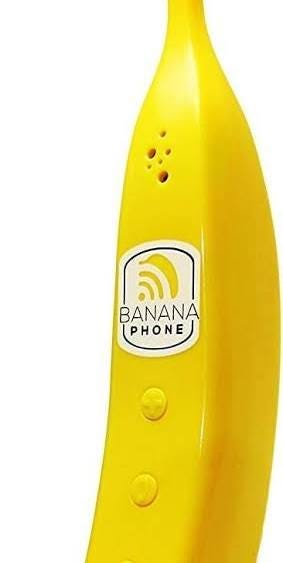
And you wanted to register this under the brand name Banana, because you’d seen how successful Apple has been over the years, and you were hoping for some sort of halo effect. (Free advice: that’s not how it works, don’t do this.) Let’s also assume that Raffi’s record label wouldn’t immediately torpedo you.

Since 2017, Amazon has required sellers to hold a registered or pending U.S. trademark to access their Brand Registry: a program that gives sellers tools to fight counterfeits and improve their product listings. But obtaining a trademark in the United States is notorious for being slow, methodical, bureaucratic, and pedantic… generally subject to many back-and-forth iterations with the USPTO to clarify before a final narrowed approval - not the sort of thing you want when trying to bring a product to market quickly.
Applications can be rejected for being too similar to an existing mark, for being too descriptive, and a whole slew of other rationales. It’s a back-and-forth process for you (or more typically, your law firm, which is where the bills really ratchet up) to get your trademark application approved so that you can sell your product in the United States. If you go through this process, get used to the Lanham Act - you’ll typically get clubbed with documents bearing the terms term “Section 2(D) Office Action” - a de facto refusal based on likelihood of confusion - and “Section 2(E)1 Descriptiveness Refusal” - meaning “your trademark is too generic and just descriptive of the product”, which means something like you can’t call your product Amazingly Soft Tissue Paper. But instead, there’s a clever shortcut - a hack, if you will - to speed things up: come up with a gibberish, nondescript name that no one else could ever come up with and couldn’t possibly conflict with other trademarks. If your name appears in a dictionary, eg: Banana? Sure, the USPTO is familiar with it. If it looks like you facerolled the keyboard or otherwise just let your cat walk around on the keys for a while? That’s a lot less likely to have competition, and will probably sail through unchallenged.
That’s not all, of course.
The value here to the seller doesn’t end at listing a product for sale. Amazon also has a significant reputation management system - getting five-star ratings for products sold on the site is fairly key.
Amazon has a rather fantastic number of “pop-up sellers” of the Waysus variety who are based in … let’s say Asian manufacturing hubs (usually Shenzhen, if this is electronics or toys) or who are effectively dropshippers for factory-direct delivery from (mostly Chinese) manufacturers, being for all practical purposes Alibaba resellers possibly with repackaging/rebranding under a Waysus brand.
Many of those top sellers are also factory-direct, which means that the same people making the product are also responsible for listing and selling it on Amazon - often these are firms making a product under a major brand on the day shift and selling it under their own brand on the night shift. Instead of going through the slow (and expensive) process of building an internationally recognized brand and getting American retailers to stock it on their shelves, these sellers use Amazon for direct sales: price it lower, ship it faster, and rack up a ton of quick five-star ratings. (These can even be incentivized with quick rewards or ballot box stuffing.) Then, people eager to use the perks of their Amazon Prime subscription will take it from there.
Unlike a brick-and-mortar retailer, where only brands with a recognizable name or budding reputation are going to earn a spot on the shelves, Amazon promotes a different approach. As long as you meet its standards, you can sell a product on the site. And for a lot of products, the goal is to save money when shopping on Amazon. So, for a pair of gloves or a USB cable or a battery pack has hundreds of positive reviews and is eligible to ship fast and free with Amazon Prime, shoppers often don’t care as much about who made the product. Perhaps this is an error - a poorly made battery pack can certainly be a fire hazard, versus a more solid brand like Anker, but people always make their own call and some folks always seem to opt for a cheaper Waysus.
Lest you think this is just an Amazon problem, Walmart seems to be following the same path with a storefront of endless Waysus products, and eBay has been this way for ages (and arguably, always was; the number of disposable eBay sellers over the years has been legion).
In some cases these brands are built to be thrown away because the products are cheap and disposable. No point in building a long term brand reputation if what you’re selling is inherently the planned-obsolescence product that is not going to build customer loyalty (indeed, may build customer dissatisfaction over time). But occasionally, there’s a brand name chosen that makes me think someone is actually trying to build a memorable name.

This ad looks borderline psychedelic.
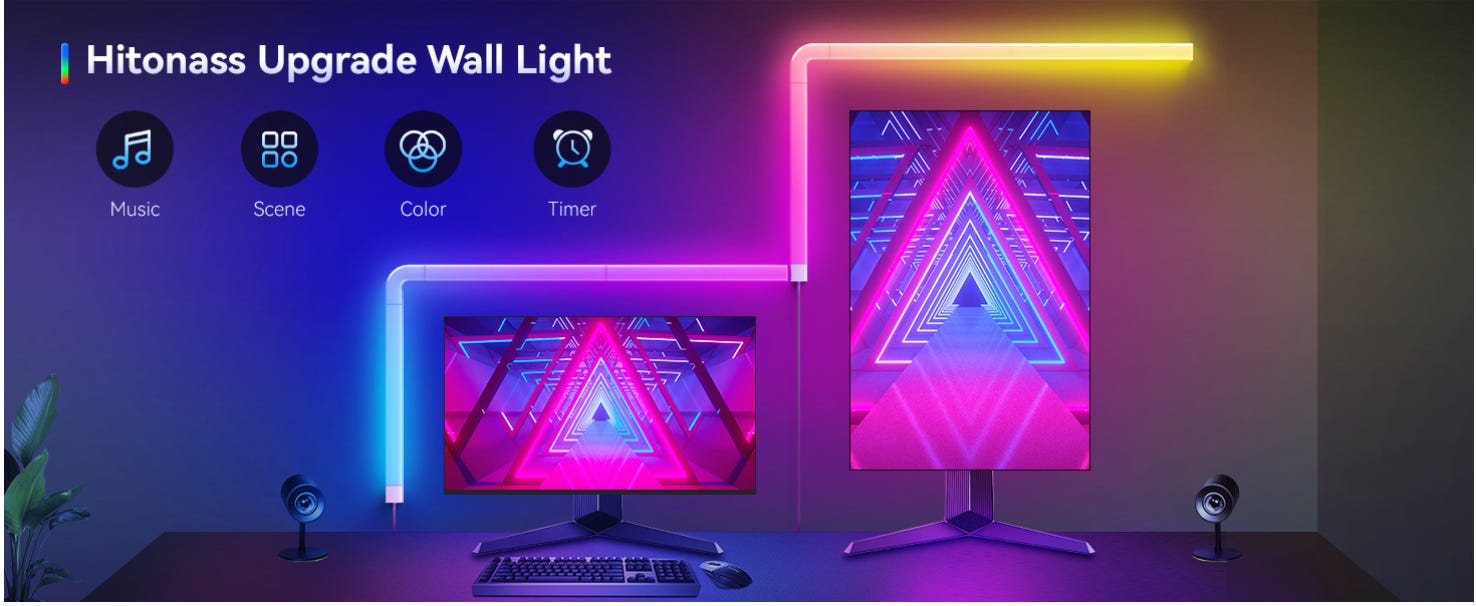
I am not sure I would buy this product but I suspect it got a lot of retweets.

Amazon is not likely to change this - disregarding all of the above, Amazon has another incentive that rarely gets talked about.
Paul Kotas has built Amazon into the third largest internet advertising firm out there - their digital advertising business is behind only Alphabet (Google) and Meta (Facebook) - and nearly all that ad revenue comes from advertising products on Amazon to customers on Amazon, which is a little mind-boggling; it’s very significantly in-store promotion and sponsored search results. (There are also things like ads on Prime Video, Twitch, IMDb, etc.) Think of it like how retailers sell endcap space and featured display rights to manufacturers and vendors - so when the Doritos or the Pepsi has been stacked right in front of the shopping carts or prominently at the end of the aisle when you walk into your local Safeway, that’s a sponsored placement and there’s a fee paid for that. Same basic concept.
But mostly what this means is that if you want your product to show up well in the Amazon search results, you tend to pay Amazon for that. And you may also be quietly paying some other firm to farm you up some five-star reviews. And you’re probably giving Amazon some preferential terms with Prime Shipping and products in their warehouses and payment terms and the like; I can go into this at some other point but this article would be much longer and it’d be quite the tangent even by my standards (though I’ll touch on Fulfilled By Amazon a bit down below). Suffice it to say, Amazon does very well by these sellers, nickling and diming them: on the front end for advertisement, on the back end for sales and fulfillment expense. And mostly, the customer is happy, they get their products cheaply and quickly (often the next day via Amazon Prime) and if it’s not up to snuff, Amazon tends to replace it without complaint (this causes the vendor some heartburn but works out well enough for the customer on average, so Amazon thinks its fine). There may be a bit of an epidemic of short-lived Waysus products - disposable by design, planned obsolescence, or otherwise not built to last; in general the Waysus product, brand, and even company is not necessarily built to last … caveat emptor. But we as a society have found that we’d rather have more cheap junk than higher quality repairable products (from a factory that will still be around), a decision that is not necessarily the correct one. It is understandable - but it does certainly fill the landfills.
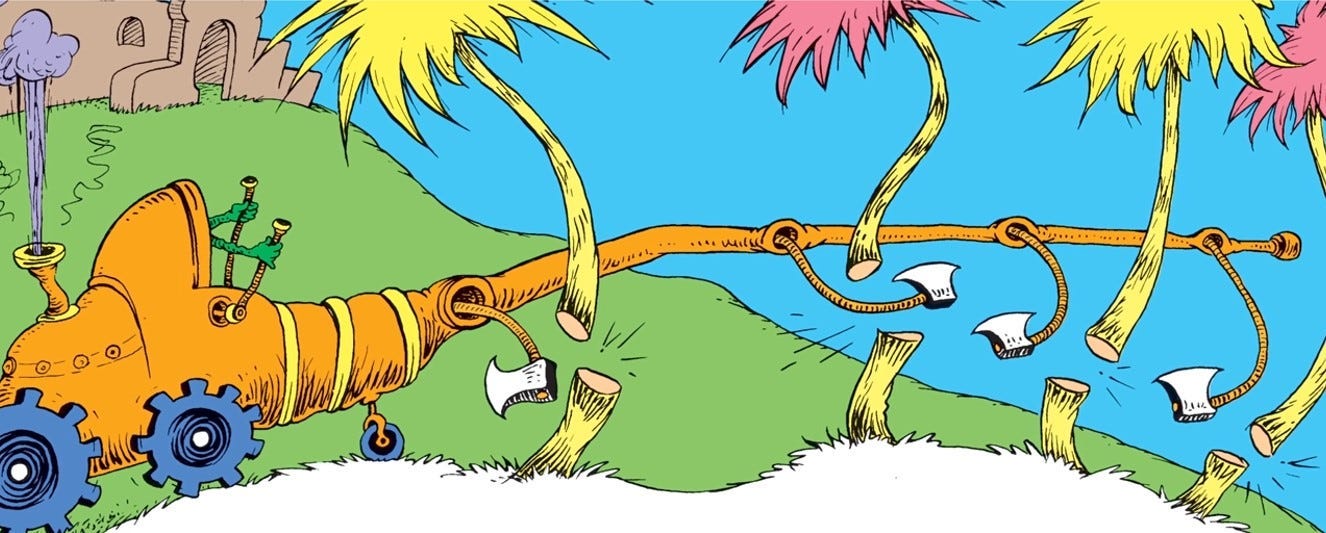
Right-to-repair and planned obsolescence vs product built to last is a discussion for another day, I suppose.
I suppose to a certain extent this is democratizing commerce - now smaller (brand new, tiny) brands can suddenly leverage Amazon’s technology stack to appear at the top of the search results and sell their Waysus products on the same shelves and at comparable placement to major results like Apple or Levis or Doritos, which certainly wouldn’t be possible in the mainstream retailers where they would be locked out by the enormous vendor-lock-in at the retail storefronts. But still, it’s not entirely clear that we’re getting a better world this way. Perhaps a cheaper one, for the price-conscious consumer… still, it might be nice to have a useful way to opt for a product that matches other criteria like “warrantied to last a decade” or “made in America” or “fair trade” or “meets certain recycling or environmental standards” or whatever your preferred delimiting characteristic happens to be.
Heresy, I know, to hear an economist imply that it might be something other than just price.
As a related issue, which isn’t necessarily Waysus but tends to result in seller brands that look and act that way, Amazon has a program called Fulfilled by Amazon - basically you ship them the inventory and let handle the warehousing, shipping, and delivery, using the huge network of warehouses they’ve built. This is kind of ideal for firms that would otherwise do their own dropshipping and don’t want to handle that - they would like to just ship from the factory straight to Amazon’s warehouse. It also has turned out to be a remarkable way to fence stolen goods, a bit of news that keeps cropping up and being quietly hushed up, but periodically comes back up when people rediscover that shoplifting rings like to grab Tide Detergent in bulk, hand this off to pawn shops or shell storefronts, which then list this sort of thing as third party storefronts on Amazon - cleverly fulfilled and warehoused by Amazon’s own warehouses and distributed by their own network. I’m told Amazon is working on various anti-theft-ring measures here, before you get any criminal mastermind ideas. And don’t worry, this problem is everywhere… Facebook Marketplace and eBay are also plagued by the same sorts of problem and it used to stereotypically be a Craiglist fence problem as well.
Now you got "Bannanaphone" stuck in my head.
Operator, give me Beijing-jing-jing-jing
“Super easy…barely an inconvenience.”